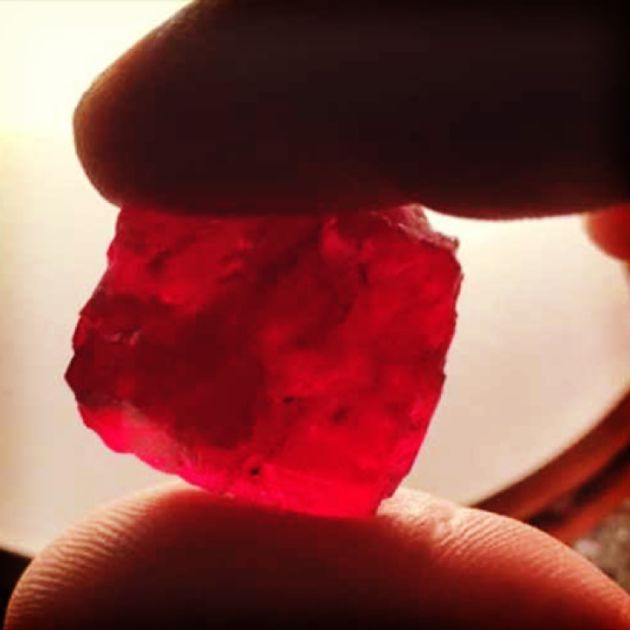
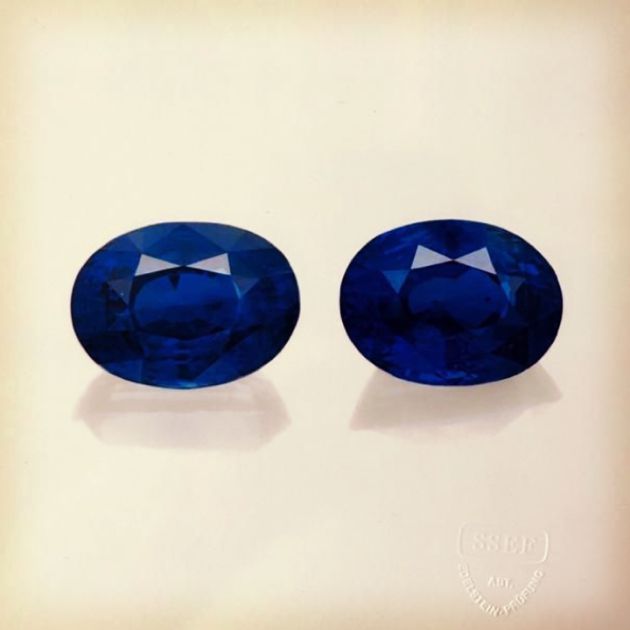
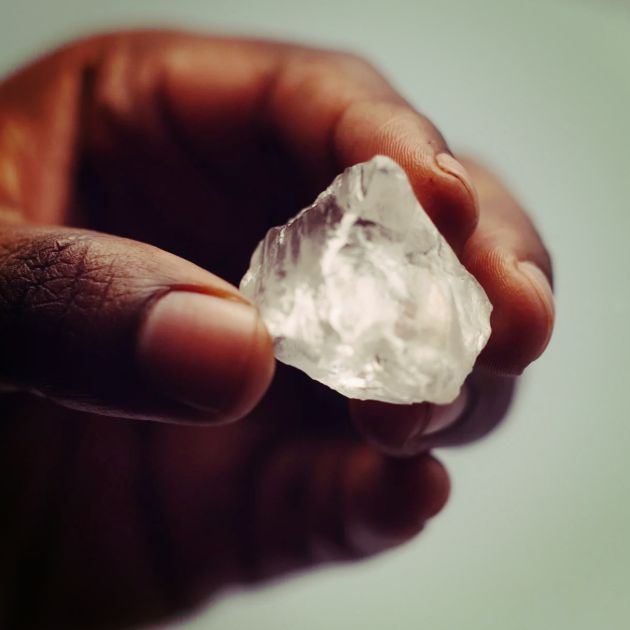
Gemstones are a finite asset, whose deposits’ new funds are becoming exceedingly rare and limited. Most of the mines currently actives are ancient and it is hard to say exactly for how long those deposits will remain active and profitable.
The combination of geological factors necessary to produce these stones is so precise that their only existence should be considered a small “geological miracle”. As a matter of fact, deposits are scarce and widely spread across the Globe, making each extracted gemstone unique and endowed with mineral and geological features that makes its origin, purity and, consequently, value identifiable through precious and meticulous analysis techniques.
Some of the most important gemstones mines in the world are too small to significantly accelerate the production through the implementation of modern mining techniques that rely on heavy vehicles for extraction, therefore, although the demand for such goods is constantly growing, it is not possible to adapt the supply to the first one.
The latest analysis methods allow specialized laboratories to accurately identify the origin of each ruby, studying its chemical composition. In this way it is possible to verify if the gem has been subjected to treatments aimed at modifying its chemical composition to improve the stone’s characteristics such as color or brightness or to hide particular inclusions. Rubies subjected to these processes have, legitimately, minor value compared to those that naturally have the same characteristics, therefore it is fundamental being able to distinguish “natural” stones from the treated ones. That said, one or, possibly, more periodically updated reports issued by internationally accredited institutions contribute to the determination of the gem’s value and favor its marketability and liquidity.